Understanding the Basics of Towing
For many, the idea of towing can be intimidating, especially if you've never had to call for such services before. Whether you're a new driver in Waxahachie, Texas, or have simply been fortunate enough to avoid breakdowns until now, understanding the basics of towing can empower you to make informed decisions if you ever face vehicle trouble. In this guide, we'll demystify towing and roadside assistance, breaking down technical concepts into simple terms.
What is Towing and When Do You Need It?
Towing involves using a specialized vehicle, often referred to as a tow truck, to transport a disabled or impounded vehicle from one location to another. You might need towing services for several reasons, including:
- Your vehicle has broken down and cannot be driven safely.
- Your car has been involved in an accident and needs to be moved.
- Your vehicle is parked illegally and needs to be relocated.
In Waxahachie, towing services are a crucial support system for drivers facing unexpected challenges on the road. Understanding when to call a tow truck can save you time and stress.
Types of Tow Trucks Explained
Not all tow trucks are created equal. Here are the most common types you might encounter:
Flatbed Tow Trucks
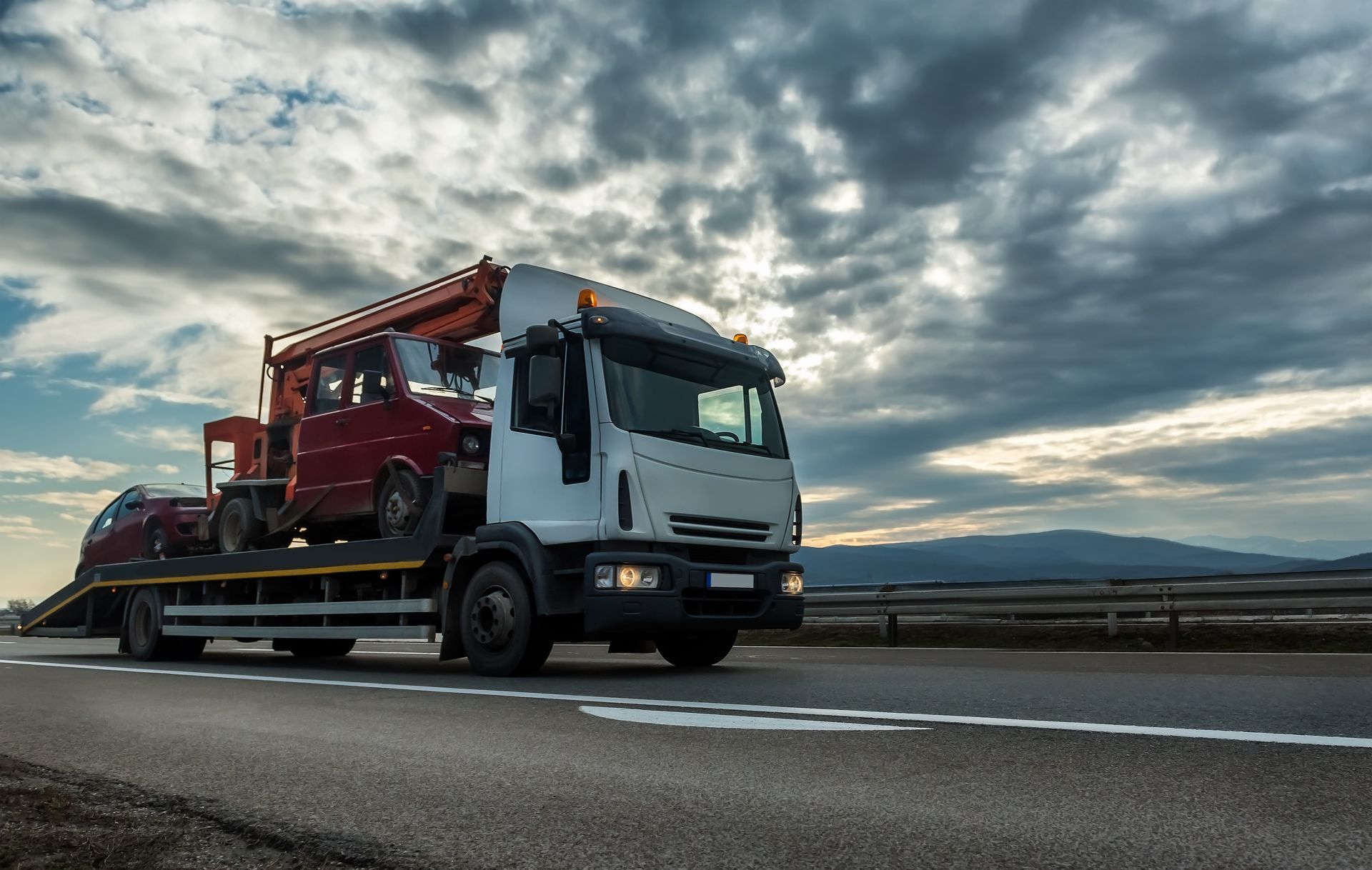
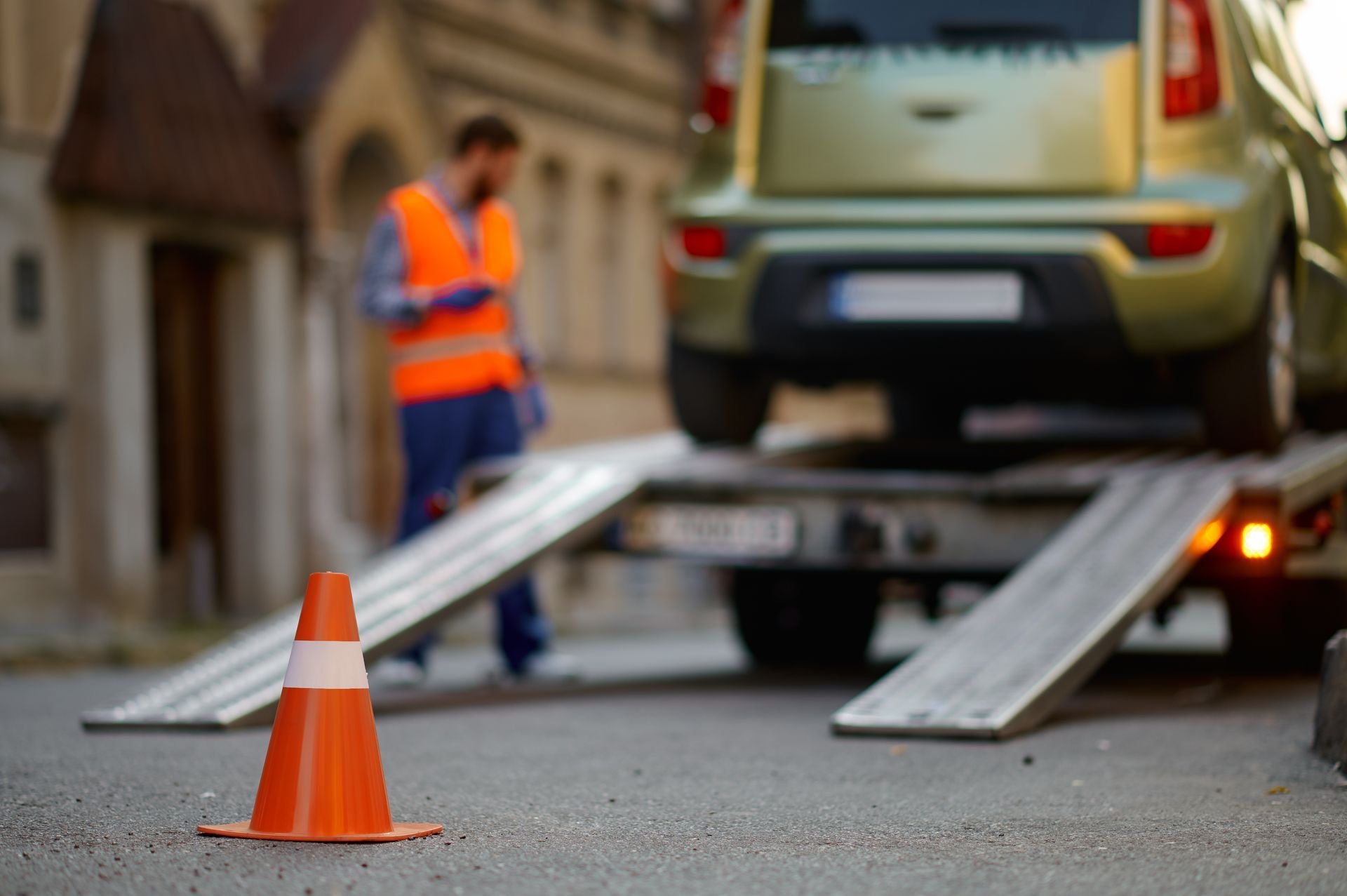
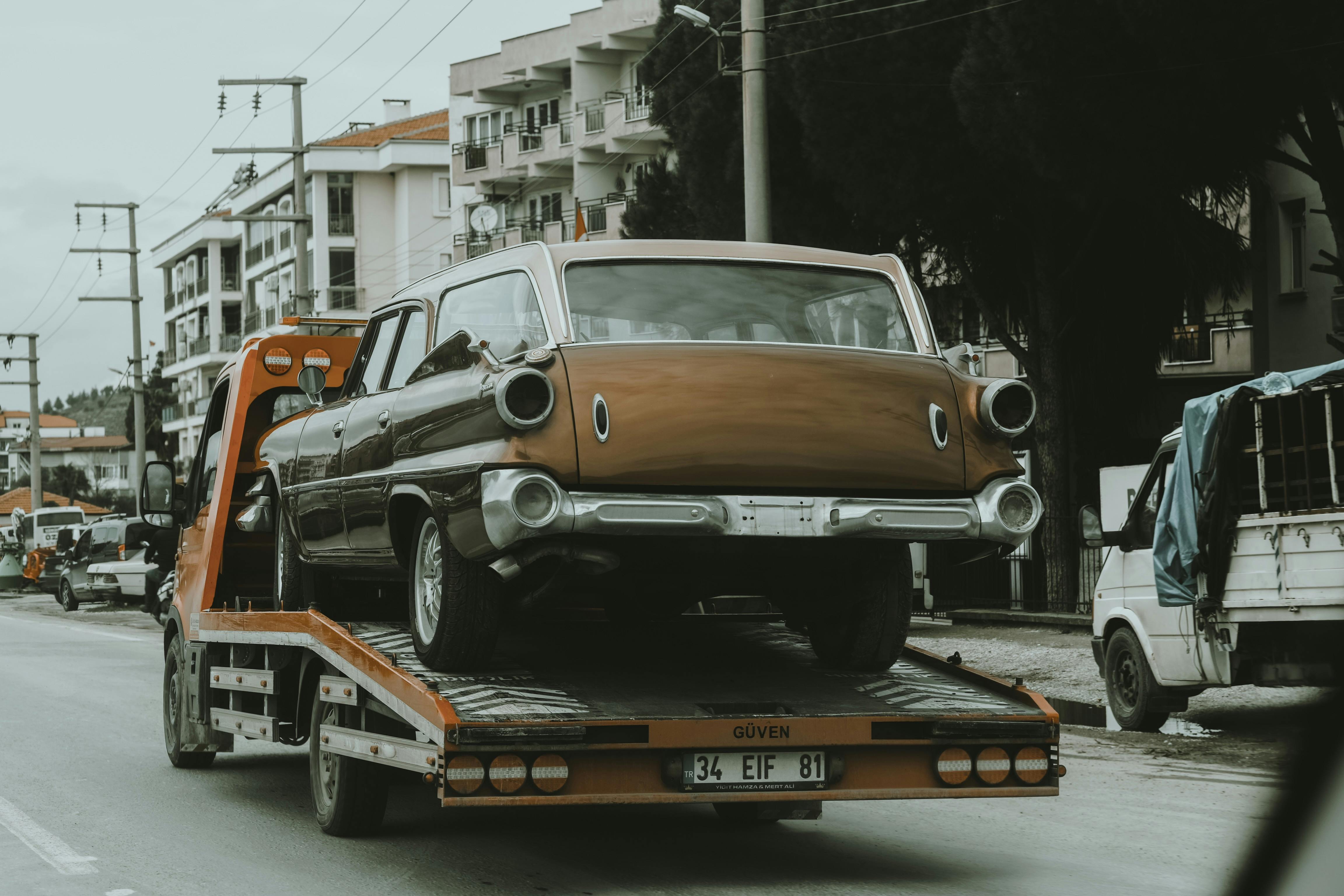
Flatbed tow trucks are equipped with a flat platform on the back that vehicles are loaded onto. These are commonly used for transporting cars and motorcycles that cannot be driven safely. The vehicle is either driven onto the platform or pulled up using a winch.
Hook and Chain Tow Trucks
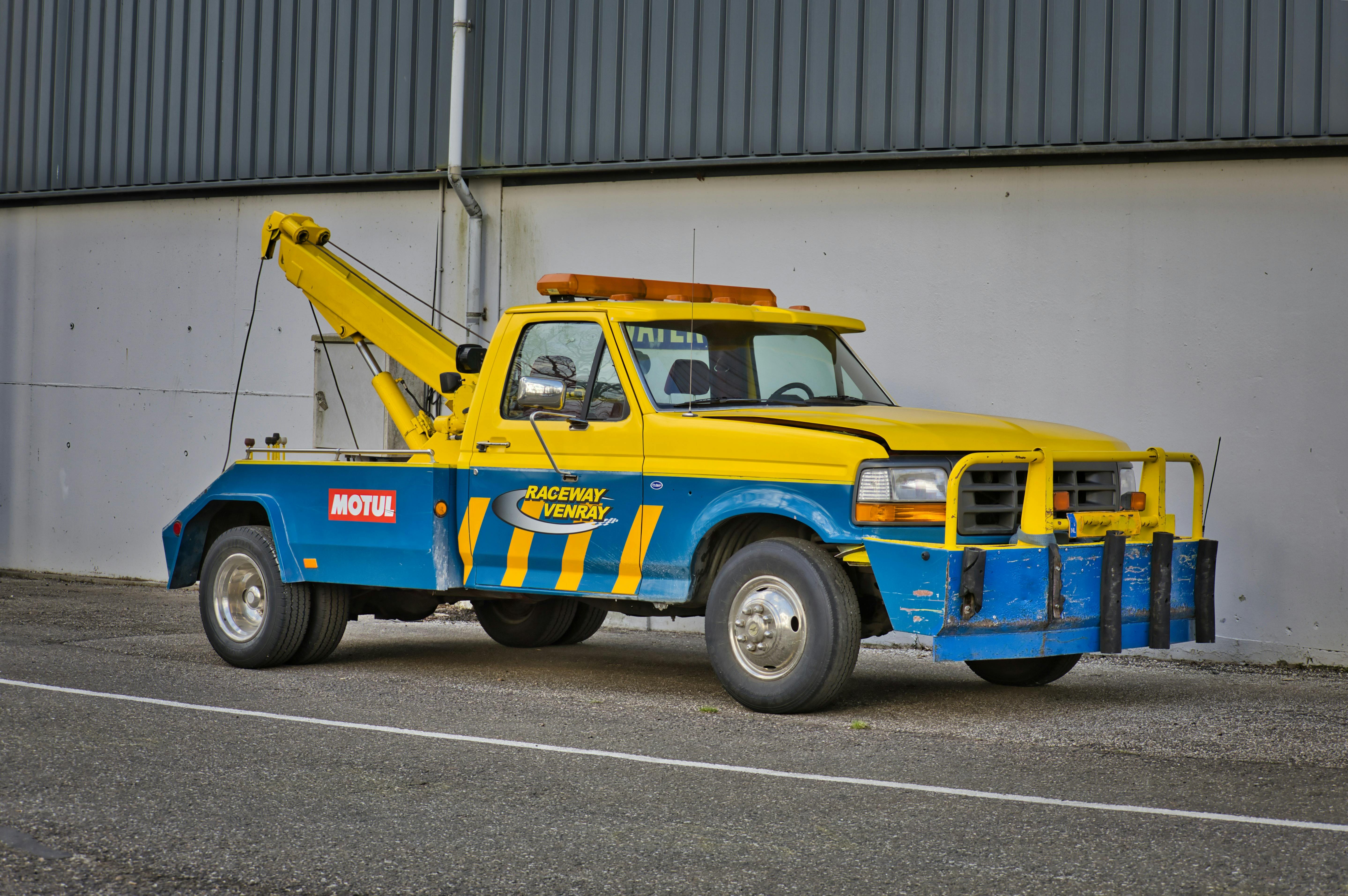
This traditional type of tow truck uses chains to lift one end of the vehicle off the ground, allowing it to be towed. While effective, they can potentially cause damage to the vehicle, which is why they are less commonly used for towing modern cars.
Wheel-Lift Tow Trucks
These trucks use a metal yoke that hooks under the front or rear wheels to lift the vehicle. They are less likely to cause damage compared to hook and chain trucks and are often used for short-distance towing.
How Towing Services Work
When you call a towing service like Titan Towing in Waxahachie, here’s what typically happens:
- Initial Contact: You'll provide details about your location, the type of vehicle, and the issue you're experiencing.
- Assessment: A dispatcher assesses the situation and determines the best type of tow truck to send.
- Pickup: The tow truck arrives at your location, and the operator safely loads your vehicle onto the truck.
- Transport: Your vehicle is transported to a location of your choice, such as a repair shop or your home.
Common Misconceptions About Towing
There are several misconceptions about towing that can lead to unnecessary stress. Let's clear some of these up:
Misconception 1: Towing is Extremely Expensive
While towing can be costly, especially for long distances, most towing companies offer transparent pricing. Many insurance plans also cover towing services, reducing out-of-pocket expenses.
Misconception 2: Towing Will Damage My Vehicle
Professional towing companies use specialized equipment and trained operators to ensure minimal risk of damage. Choosing the right type of tow truck can also help protect your vehicle.
Misconception 3: I Can Only Get Towing Services During Business Hours
Most towing services, including those in Waxahachie, operate 24/7, providing assistance whenever you need it.
Preparing for the Unexpected in Waxahachie
Being prepared for vehicle trouble means knowing who to call and what to expect. Keep the contact information for a reliable towing service like Titan Towing handy. Familiarize yourself with your vehicle’s insurance policy to understand what towing services are covered.
Conclusion: Simplifying Towing for Peace of Mind
Understanding the basics of towing doesn’t require a mechanical background. By grasping these simple concepts, you can approach roadside emergencies with confidence. Titan Towing in Waxahachie is committed to making your experience as stress-free as possible, ensuring that help is just a call away.
For more information on our services, visit our website or contact us directly. Stay safe on the roads!